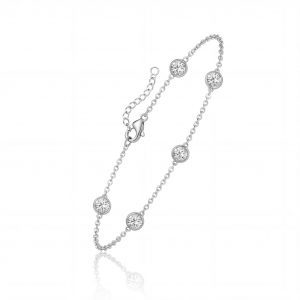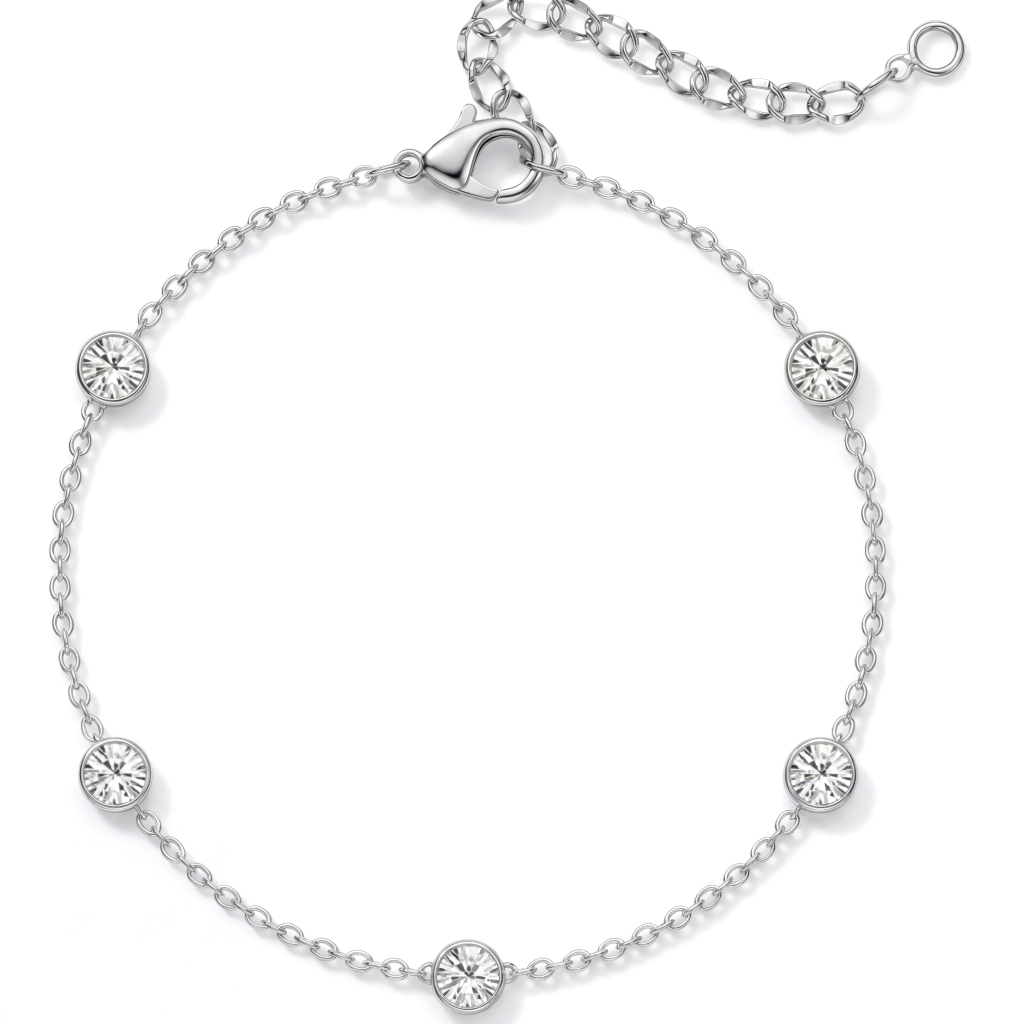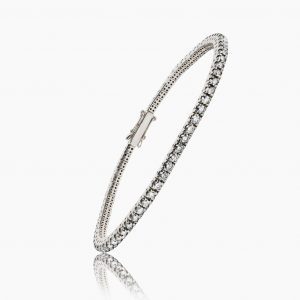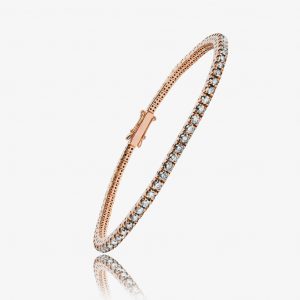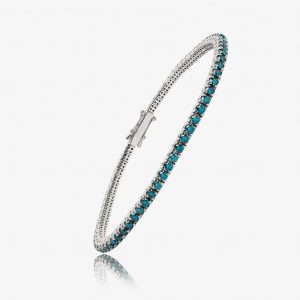
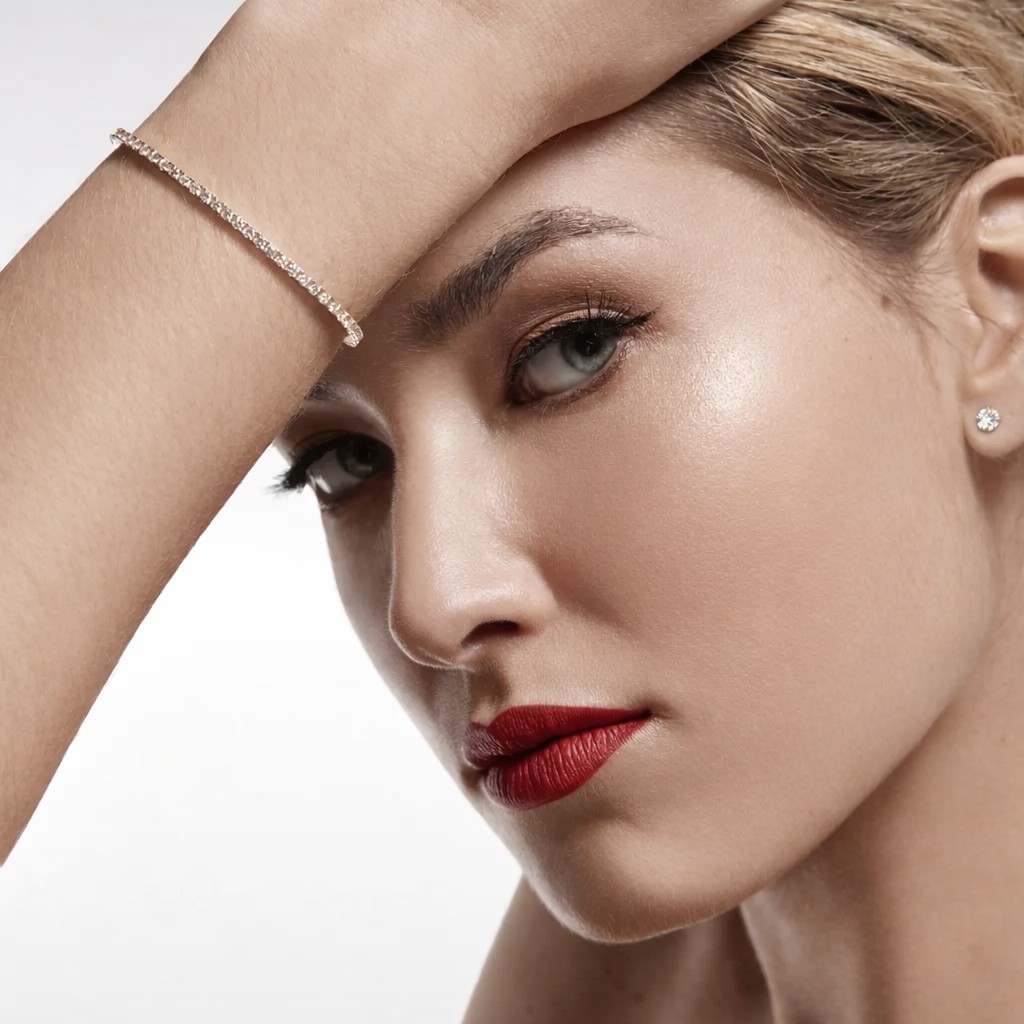
Bracelet fin en argent porté au poignet – bijou en argent véritable l silver jewelry - Bracelets Kern

How to Recognize Real Silver Jewelry

Silver is one of the most widely used metals in jewelry making, commonly crafted into bracelets, rings, necklaces, and pendants. Elegant, bright, and timeless, it has been appreciated for centuries thanks to its natural shine and its ability to complement every style.
However, due to the popularity of this precious metal, many imitations have appeared on the market. Silver-plated metal, stainless steel, or various alloys can sometimes be mistaken for genuine silver.

Many people therefore wonder how to recognize real silver and how to make sure a piece of jewelry is actually made of solid silver. Fortunately, there are several simple clues that can help verify the authenticity of a piece: checking the hallmark, performing a few physical tests, or observing how the metal reacts over time.

In this guide, we will explain how to tell if silver is real and which elements you should check to avoid confusing genuine silver jewelry with an imitation.

Why Check the Authenticity of Silver Jewelry?

Before buying or keeping a piece of jewelry, it is important to know whether it is truly made of silver. Many pieces may visually resemble silver but are actually made from other metals covered with a thin silver coating. In such cases, the jewelry can quickly lose its shine or become damaged over time.

This is why many people search for ways to recognize real silver or to determine whether a piece is solid silver or silver-plated metal. Verifying authenticity helps avoid unpleasant surprises and ensures that the jewelry truly holds value.

Authenticity also plays an important role if you plan to resell silverware or antique jewelry. A piece made of solid silver will always be more valuable than a simple plated metal item.

Finally, recognizing real silver also helps you better understand its natural behavior. Contrary to some common beliefs, silver can slightly tarnish over time. This reaction occurs naturally when silver is exposed to air and humidity, and it is often a sign that the metal is genuine.

Silver Hallmarks: The First Sign to Check

The easiest and most reliable way to identify real silver jewelry is to check for a hallmark. A hallmark is a small stamp engraved on the jewelry by the manufacturer or an official assay office, indicating the metal’s composition.

This mark is usually the first thing to look for when trying to understand how to recognize real silver. On jewelry pieces, it is often discreet but can be identified easily with a little attention.

The 925 Hallmark

The most common hallmark used in jewelry is the 925 stamp. It means the jewelry contains 92.5% pure silver, while the remaining percentage consists of another metal—usually copper—added to strengthen the piece.

Pure silver is naturally too soft to be used alone in jewelry making. This alloy, known as 925 silver or sterling silver, is therefore the standard used in modern silver jewelry.
When you see the engraving “925” on a bracelet, ring, or necklace, it means the jewelry is made from solid sterling silver.

Other Possible Silver Hallmarks

Although the 925 hallmark is the most common, other stamps may indicate different proportions of silver in the alloy.

For example:

  • 800: silver containing 80% pure silver
  • 950: silver containing 95% pure silver

These hallmarks are less common in modern jewelry but can sometimes be found on antique jewelry, collectible pieces, or silverware.

Where to Find the Hallmark on Jewelry

The hallmark is usually engraved in a discreet area of the jewelry so it does not affect the design.
On bracelets or necklaces, the stamp is often located near the clasp or on the small metal tag at the end of the chain.

On rings, the hallmark is typically engraved inside the band.
For pendants or decorative pieces, the hallmark may appear on the back of the jewelry.

Taking the time to look at these small details is often the first step in learning how to tell if silver is real and identifying authentic silver jewelry.

Simple Tests to Identify Real Silver Jewelry

In addition to checking for a hallmark, several simple methods can help confirm whether a piece of jewelry is truly made of silver. These techniques are particularly useful when the hallmark is difficult to see or when you want to perform a quick silver test at home.

The Magnet Test

One of the simplest tests involves using a magnet. Silver is not a magnetic metal. If a piece of jewelry is strongly attracted to a magnet, it is very likely made from another metal.

Although this test cannot always confirm with 100% certainty that jewelry is silver, it provides a useful first indication when trying to determine whether silver is real or fake.

The Cloth Test

Over time, silver naturally reacts with air and may slightly oxidize. If you rub silver jewelry with a soft cloth, it may leave a faint black mark on the fabric. This reaction is normal and results from the metal’s natural oxidation.

This characteristic often helps identify genuine silver jewelry, since metals that imitate silver do not react in the same way.

The Bleach Test

Some people also use a bleach test for silver to check the authenticity of the metal. When a small drop of bleach comes into contact with real silver, the metal may react quickly and turn darker.

However, this test should be used with caution because it can damage the jewelry if applied repeatedly or in large quantities. For this reason, it is usually better to rely on other methods or consult a professional jeweler if you are unsure.

The Sound Test

Silver jewelry often produces a clear, slightly ringing sound when gently tapped against another metal object or surface. This sound tends to be sharper and more crystalline than that produced by less noble alloys.

This method is sometimes used to understand how to identify silver coins or antique silver objects, as well as certain pieces of precious metal jewelry.

Difference Between Solid Silver and Silver-Plated Jewelry

When trying to determine whether jewelry is real silver or silver-plated metal, it is essential to understand the difference between solid silver and silver-plated jewelry.

Solid silver (such as 925 sterling silver) is an alloy made primarily of pure silver. The metal is present throughout the entire thickness of the jewelry. This means that even with time or wear, the piece remains genuine silver.

In contrast, silver-plated jewelry is made from a base metal—often copper, brass, or steel—covered with a thin layer of silver. Over time, this coating can wear away, revealing the metal underneath.

Several clues can help identify silver-plated jewelry rather than solid silver:

  • absence of a hallmark
  • discoloration or the appearance of a yellowish tint
  • rapid wear of the silver coating

Understanding this distinction is essential to avoid confusion and to better know how to recognize real silver jewelry when buying or examining a piece.

How to Make Sure You Are Buying Real Silver Jewelry

To avoid mistakes, the best way to guarantee the authenticity of a piece of jewelry is to check several elements before purchasing it.

First, look for the 925 hallmark, which indicates that the jewelry is made of sterling silver. This stamp remains the most reliable indicator for identifying the metal composition.

Next, it is recommended to buy jewelry from trusted brands or specialized jewelers that clearly state the type of metal used in their creations. Product descriptions should mention the composition of the jewelry, especially if it is made of 925 sterling silver.

Finally, if you have any doubts, a jeweler can perform a professional silver test to confirm the exact composition of the metal. This type of verification is particularly useful for antique jewelry or silverware.

By combining these checks—hallmark verification, visual inspection, and purchasing from reliable sources—it becomes much easier to understand how to tell if silver is real and avoid imitations.

Why Does Silver Jewelry Tarnish?

It is common for silver jewelry to lose some of its shine over time and sometimes become darker. This phenomenon is completely normal and does not mean that the jewelry is of poor quality. On the contrary, this reaction is often a sign that the piece is made of genuine silver.

Silver naturally reacts when exposed to air, humidity, and certain substances present in the environment. This chemical reaction, known as oxidation, creates a thin dark layer on the surface of the metal.

Several factors can accelerate this process:

  • contact with perspiration
  • cosmetic products (perfume, creams, makeup)
  • humidity or salt water
  • certain household cleaning products

Over time, this oxidation may give the jewelry a darker appearance. Fortunately, this deposit is usually superficial and can be easily removed with proper cleaning.

This is also why some people perform a silver test by observing how the metal reacts to oxidation. Unlike many other metals, silver may slightly darken but can quickly regain its shine after cleaning.

How to Care for Silver Jewelry

To keep silver jewelry shining for as long as possible, it is important to follow a few simple maintenance tips. Regular care helps preserve the metal’s brilliance while also preventing the buildup of oxidation.

The first rule is to clean the jewelry with a soft cloth specifically designed for silver. This type of cloth helps remove oxidation marks while protecting the surface of the metal.

It is also recommended to remove silver jewelry in certain situations:

  • before showering or swimming
  • before practicing sports
  • when using household cleaning products

For deeper cleaning, you can use lukewarm water with a small amount of mild soap. After cleaning, gently dry the jewelry with a clean cloth to restore and maintain its shine.

Finally, to prevent silver from tarnishing too quickly, it is advisable to store your jewelry in a jewelry box or pouch protected from air and humidity.

With these simple precautions, silver jewelry can maintain its shine for many years.

FAQ

How can you easily recognize real silver?
The easiest way is to check for a hallmark, usually stamped “925.” This mark indicates that the jewelry contains 92.5% pure silver, also known as sterling silver.

How can you tell if jewelry is real silver or silver-plated?
Solid silver jewelry generally has a hallmark and does not lose its color over time. Silver-plated jewelry, on the other hand, may reveal a different metal underneath as the silver coating wears off.

Can you perform a silver test at home?
Yes, several simple tests exist, such as the magnet test or observing the natural oxidation of the metal. These methods can provide an initial indication of whether the silver is authentic.

Why is 925 silver used in jewelry?
Pure silver is too soft to be used alone in jewelry making. 925 silver is an alloy made of 92.5% silver and 7.5% other metals, making it stronger and more durable for everyday jewelry.

How can you tell if a coin is made of silver?
To determine whether a coin is made of silver, you can check for a hallmark, observe how the metal reacts to oxidation, or consult a professional who can accurately test the metal composition.

Shopping Cart
Scroll to Top

Use & Maintenance

Your Kern jewel has been designed with great care according to the requirements and rules of the jewelry industry. Each step of the manufacturing process has been carried out with the utmost care, in order to create an exceptional piece. To keep it looking its best, we recommend that you carefully follow our maintenance tips:

Tips for use

When you are not wearing it, it is preferable to store your jewellery in its original case or pouch, thus avoiding rubbing with other jewellery, shocks and scratches.

When wearing your jewelry, be sure to handle it gently to avoid bumps and falls. It is preferable to remove your jewellery when practising sports.

Avoid contact with salt water, sand, cosmetics, perfumes, detergents and any corrosive product that could alter precious metals and gems.

We recommend that you have the condition of your jewellery checked every year. Do not hesitate to make an appointment with our workshops to have the crimps, clasps and their double security checked. During this visit, our jewellers will know how to revive the brilliance of your pieces and give back to the gems all their vivacity.

Maintenance instructions

To intensify the shine of your jewelry, do not hesitate to rub them with a soft and dry cloth. If you wish to clean them, you can immerse them in soapy water (PH neutral soap) to eliminate impurities due to pollution.

Then rinse them with clean water and dry them carefully with a soft cloth.

This procedure does not apply to bracelets set with emeralds, for which we recommend special attention.

Polishing and rhodium-plating operations, which are effective in restoring the shine to your jewellery, cannot be repeated too frequently.

The first polishing and rhodium plating are offered by Kern. The following, which should preferably be carried out in our workshops, are at the customer’s expense.

Quality of the Gems

Laboratory Diamonds

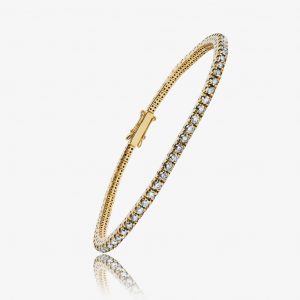
Maison Kern offers exclusively synthetic diamonds, created using advanced technological processes (HPHT or CVD).

  • Optical, chemical, and physical properties identical to those of natural diamonds.
  • Independent certification available upon request.
  • Environmentally friendly production with a reduced carbon footprint.

Laboratory-Created Precious and Semi-Precious Stones

All precious and semi-precious stones offered by Maison Kern come from specialized laboratories.

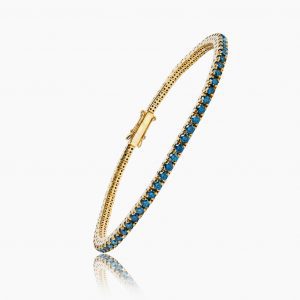
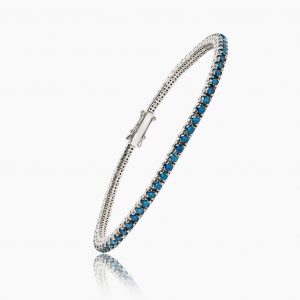
  • Laboratory sapphires: AAA quality, intense color, excellent transparency, and precise cutting.
  • Laboratory black diamonds: deep and uniform shade obtained through laboratory treatment for optimal brilliance.
  • Laboratory brown and champagne diamonds: warm color and natural sparkle, without chemical treatment.
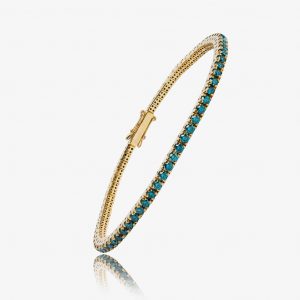
  • Laboratory emeralds: slight inclusions replicating the look of natural stones while offering enhanced durability.
  • Laboratory tsavorites: intense or soft green, a rare stone reproduced with precision for exceptional clarity.
  • Laboratory blue diamonds: color obtained through the controlled presence of boron, ensuring a stable and uniform hue.

Metal

Maison Kern creations are made exclusively from rhodium-plated 925/1000 sterling silver.

  • Rhodium plating protects silver against oxidation and maintains its lasting shine.
  • The silver comes from suppliers committed to responsible and environmentally respectful practices.

Maison Kern Commitments

  • Complete traceability for each laboratory-created stone.
  • Transparency regarding manufacturing processes.
  • Refined and durable jewelry combining aesthetics, innovation, and fine jewelry craftsmanship.

Shipping & Returns

DELIVERY POLICY

Your Kern jewelry is shipped Monday through Friday, excluding holidays. We do not deliver on weekends.

All Kern articles ordered are insured by us until delivery.

We guarantee you the security of the preparation and the routing of your order.

Your jewels are delivered in their Kern box and pouch

Purchase of a custom made bracelet :

Allow 3 to 4 weeks for the creation of your bracelet.

It will be delivered to you in its magnificent jewel case with its certificate of authenticity.

An email will inform you that your bracelet is ready.

A tracking number will be indicated to follow your order on our website under the heading “
m
my account/
m
my orders
”.

Free delivery in the European Union:

Your order is prepared within 2 working days following the date of the confirmation email that your custom made bracelet is ready.

Free delivery to countries outside the European Union:

Delivery is made within 3 to 5 working days following the date of the the date of the confirmation email that your custom bracelet is ready.

Any possible customs duties or import taxes that you may have to pay upon receipt of your package.

RETURN POLICY

Return of a custom made bracelet :

Write to us to let us know the reasons for your return by e-mail at [email protected]

Log in to your account to make your request and you will receive your pre-paid return slip.

For all shipments made in the European UnionIf you are not satisfied with your order, you can return your items within 15 days of receiving your order and in accordance with the return policy of the House of Kern mentioned above in the title ” Under what conditions can items be returned, exchanged or refunded “.

For all shipments outside the European Union, your items can be returned within 15 days of receipt of your order and according to the conditions of return of the House Kern mentioned just before in the title ” Under what conditions can items be returned, exchanged or refunded “.

À Under what conditions can items be returned, exchanged or refundable?

We accept returns on items that require sizing to fit your wrist.

If the bracelet needs to be enlarged, you will be asked to pay an additional fee according to the new size compared to your initial order.

If the bracelet does not match the order

The articles must be returned in their original packaging including the care instructions, the jewel case, its certificate of authenticity and the invoice with the precise reason.

What items are not refundable?

Privilege offers

Items returned worn, incomplete (care instructions, case, certificate of authenticity…), damaged or spoiled.

Size Guide

FIND YOUR KERN BRACELET SIZE BY PRINTING OUR WRIST MEASURING TAPE

You can download and print our measuring tape on an A4 sheet.
Follow the instructions below to place the tape measure on your wrist and know your own size and write it down.

Indications:

Measure your wrist, adjusting the tape measure just above your wrist bone or where you like to wear your bracelet.
Choose the size according to the way you want to wear your bracelet.
Note the measurement by adding :

Half a centimetre (+0.50 cm) for a bracelet worn closer to your skin.
One centimeter (+1 cm) for a bracelet worn more loosely.

For example :

A wrist of 15 cm, choose 15.50 cm or 16 cm depending on how you want to wear your bracelet.

WRIST CIRCUMFERENCE (CM)

SIZE OF THE BRACELETS (CM)

13,50 – 14,00

14 – 14,50

14,50 – 15,00

15 – 15,50

15,50 – 16,00

16 – 16,50

16,50 – 17,00

17 – 17,50

17,50 – 18,00

18 – 18,50

18,50 – 19,00

19 – 19,50